
What Every Woman Should Know About Quad Stretch Benefits After 40
Jun 04, 2026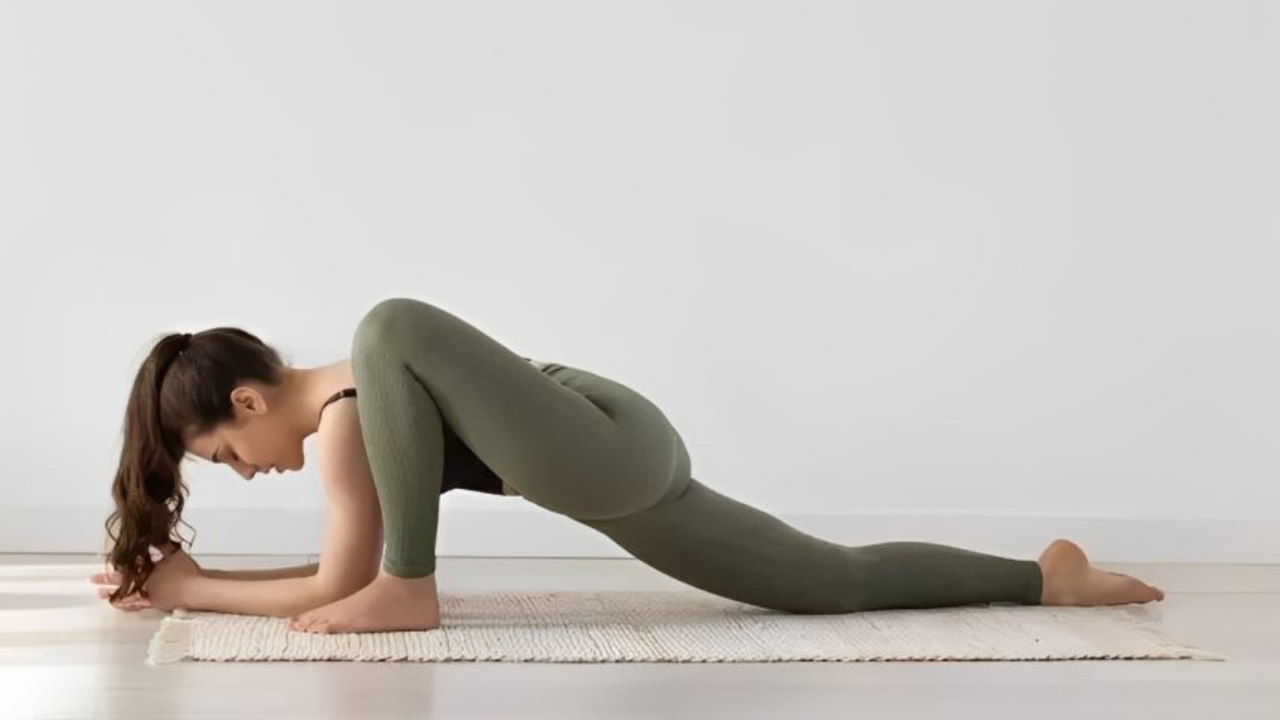
The quadriceps are responsible for extending the knee and assisting with hip flexion, and understanding quad stretch benefits becomes increasingly important as women move beyond 40.
Every time you stand up from a chair, climb stairs, squat, step forward, or stabilize your body during strength training, your quads are engaged.
Because they are involved in nearly every lower-body movement, they are prone to tightness. Modern lifestyles amplify this issue. Long hours of sitting shorten the hip flexors and quadriceps. High-volume strength training without adequate mobility can reinforce muscular tension. Walking frequently without stretching can gradually decrease flexibility.
When the quadriceps become chronically tight, they do more than feel stiff. They alter joint mechanics.
And after 40, joint mechanics matter more than ever.
The Hormone-Elasticity Connection
Estrogen influences collagen production and connective tissue resilience. During perimenopause, estrogen levels fluctuate unpredictably. After menopause, overall levels decline.
These shifts may contribute to:
- Increased muscular stiffness
- Reduced elasticity
- Slower tissue recovery
- Heightened joint sensitivity
Stretching cannot change hormonal levels, but it can support tissue adaptability. Gentle, consistent stretching helps maintain range of motion and encourages circulation to connective tissues.
Mobility becomes preventative rather than corrective.
Knee Health: One of the Most Important Quad Stretch Benefits
The knee joint absorbs impact, transfers force, and stabilizes movement between the hip and ankle. It relies heavily on muscular balance.
Tight quadriceps increase tension on the patellar tendon and compress the kneecap against the femur. Over time, this can create:
- Discomfort climbing stairs
- Stiffness after sitting
- Irritation during lunges
- Reduced squat comfort
When tension pulls the kneecap slightly out of optimal alignment, joint stress increases incrementally.
One of the most practical quad stretch benefits is improved patellar tracking. Reduced tension allows smoother motion within the joint.
Smoother motion reduces cumulative stress.
Cumulative stress determines long-term joint health.
Pelvic Alignment and Lower Back Protection
The quadriceps attach to the pelvis. When tight, they can pull the pelvis into anterior tilt — a forward rotation that exaggerates the arch in the lower back.
Anterior pelvic tilt may contribute to:
- Lower back tightness
- Hip discomfort
- Decreased glute activation
- Core instability
After 40, spinal health becomes a priority. Even small imbalances can create persistent discomfort.
Stretching the quadriceps reduces the forward pull on the pelvis, helping restore neutral alignment. Neutral alignment distributes forces more evenly across the lumbar spine.
Balanced force equals reduced strain.
Why Mobility Supports Strength Gains
Strength training remains essential after 40. It preserves lean muscle mass, protects bone density, and supports metabolic function.
However, strength built on restricted range of motion may limit long-term results.
If tight quadriceps restrict hip extension, your glutes cannot fully activate. If squat depth is limited, muscular recruitment changes.
Mobility enhances strength performance by allowing muscles to work through complete ranges.
When range improves, force production improves.
When force production improves, stability improves.
This synergy between strength and mobility builds resilience.
Daily Life and Functional Longevity
Mobility affects daily movement patterns more than most women realize.
Shortened quadriceps can lead to:
- Shorter stride length
- Increased forward lean while walking
- Difficulty rising from low seats
- Reduced hip extension
These small changes influence long-term independence.
Quad stretch benefits extend into simple, everyday movements — getting out of a car, carrying groceries, and climbing stairs confidently.
Longevity is built on functional capability.
How Often Should Women Stretch After 40?
Mobility does not require hour-long sessions.
Effective guidelines include:
- Stretch 4–5 days per week
- Hold each stretch 20–30 seconds
- Repeat 2–3 times per side
- Breathe deeply during holds
Stretch after strength training, after long walks, or before bed.
Even two minutes daily can maintain flexibility over time.
Consistency compounds.
Safe and Effective Quad Stretch Variations
Standing Quad Stretch
-
Stand tall.
-
Gently pull heel toward glutes.
-
Keep knees aligned.
-
Slightly tuck pelvis to avoid arching back.
-
Hold and breathe.
Half-Kneeling Stretch
-
Kneel on one knee.
-
Shift hips forward slowly.
-
Maintain upright posture.
-
Engage glutes gently.
This version deepens hip extension and often feels more balanced.
Breathing deeply signals the nervous system to relax, allowing muscles to lengthen more effectively.
Circulation and Recovery
Another overlooked component of quad stretch benefits is improved circulation.
Gentle stretching increases blood flow to working tissues. Enhanced circulation:
- Delivers oxygen and nutrients
- Assists recovery
- Reduces lingering stiffness
- Supports tissue repair
After 40, recovery capacity matters.
Strength training stimulates adaptation.
Stretching supports restoration.
Together, they create balance.
Fall Prevention and Balance
Balance becomes increasingly important with age. Joint stiffness can subtly affect stability.
Restricted hip extension changes walking mechanics. Altered walking mechanics influence coordination.
Maintaining flexibility in the quadriceps supports natural stride patterns and balanced gait.
Improved gait reduces fall risk.
Fall prevention is a critical longevity factor.
What Happens If You Ignore Mobility?
Without regular stretching, tightness may gradually increase.
Over years, this may contribute to:
- Chronic knee irritation
- Lower back discomfort
- Decreased squat depth
- Limited hip mobility
- Compensatory movement patterns
Compensation often leads to overuse injuries.
Injuries reduce consistency.
Reduced consistency compromises strength.
Mobility protects your ability to keep training.
The Bigger Picture: Strength + Mobility = Longevity
After 40, fitness becomes strategic.
You are no longer training for short-term aesthetic goals alone. You are training for independence, vitality, and structural integrity.
Strength builds tissue.
Mobility preserves its function.
Recovery restores balance.
When these three pillars work together, the body adapts efficiently.
Ignoring one weakens the system.
Final Thoughts
Quad stretch benefits go far beyond flexibility. They support knee alignment, improve pelvic positioning, enhance hip mobility, reduce lower-back strain, and protect long-term joint integrity.
Stretching may not feel as powerful as lifting weights. But over decades, it may be just as important.
Small daily habits build structural resilience.
After 40, resilience becomes the goal.
When you combine strength training with intentional mobility work, you create a body that moves well, feels stable, and remains capable year after year.
And when you protect your joints while building your strength, you are creating the body you NEED to keep up with the life you LOVE.
Since you’re interested in this topic, be sure to check out my podcast episode, “The Hidden Cause of Chronic Pain (and How to Fix It)” next.
Become Better Than Ever
When you add your email below you'll get the best tips for the fastest and easiest ways to become stronger, leaner, and more resilient so you can wake up feeling unstoppable tomorrow. With 30 years of experience I can show you how.
Your information is safe and will never be shared.


